
Targeted CNS Delivery in Murine Models.
The blood-brain barrier remains the most significant hurdle in neuro-pharmacology, excluding 98% of small-molecule drugs from the central nervous system. Using low-intensity pulsed ultrasound in combination with circulating nanobubbles, our systems achieve temporary, reversible, and localized permeabilization of the BBB. This allows for the targeted delivery of chemotherapeutics, antibodies, and gene-delivery vectors (AAVs) to specific brain regions with sub-millimeter precision, without the need for invasive surgery.
Our systems are also capable of integration with real-time acoustic monitoring to ensure safety and repeatability across large study cohorts.
From oncology to neurodegeneration, we provide the key to brain research in preclinical models.
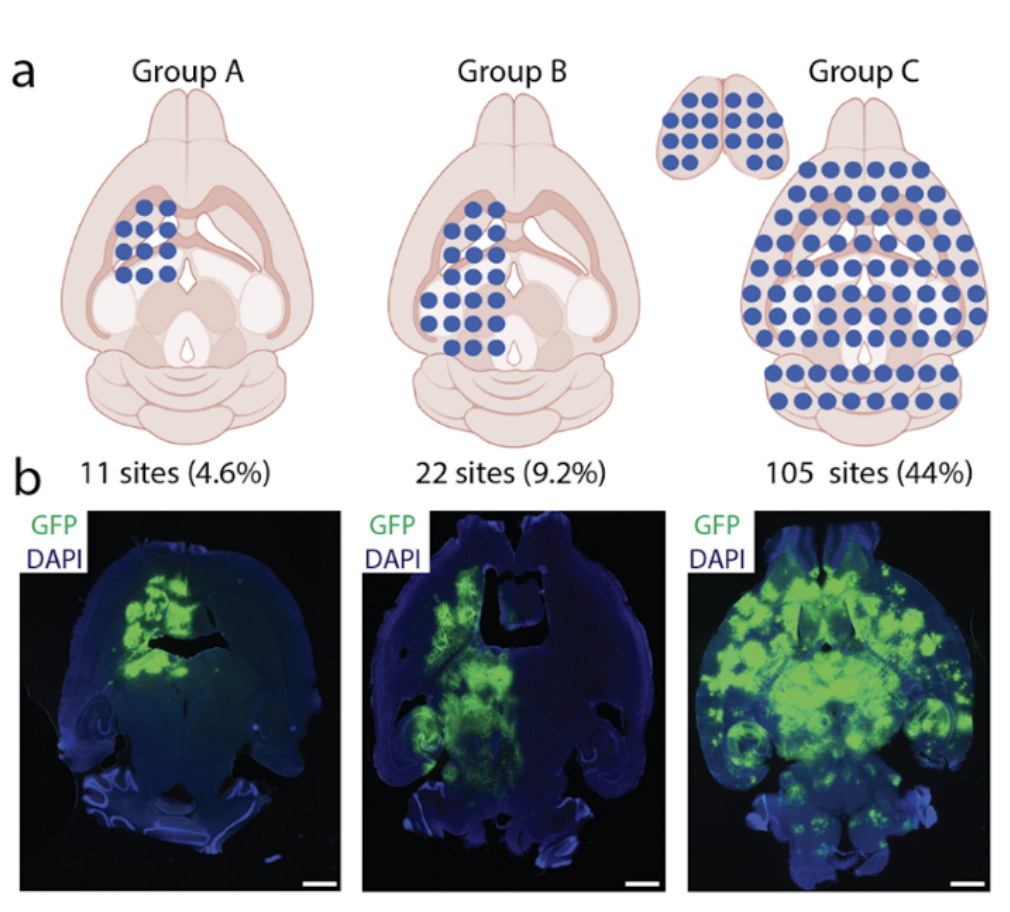
(a) Blue dots indicate the FUS-BBBO target sites for AAV9 packaged CAG-NLS-GFP plasmid; target sites were selected and treated using the FUS Instruments RK-50 system.
(b) Immunohistochemistry of anti-GFP showed an increase in the number of GFP-positive cells in the representative brain sections from each group of FUS-treated mice.
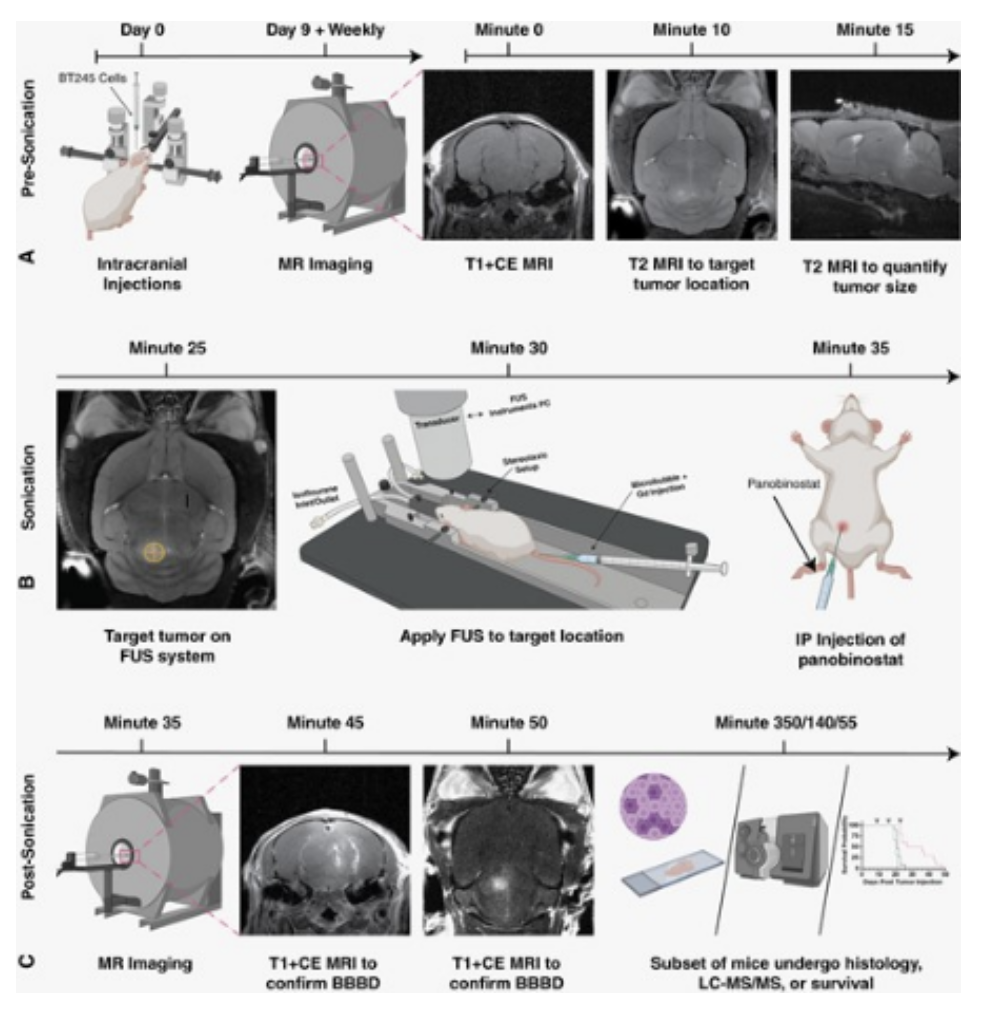
Timeline of MRI-guided FUS/BBB opening for targeted drug delivery to glioblastoma tumors using FUS instruments RK-50.
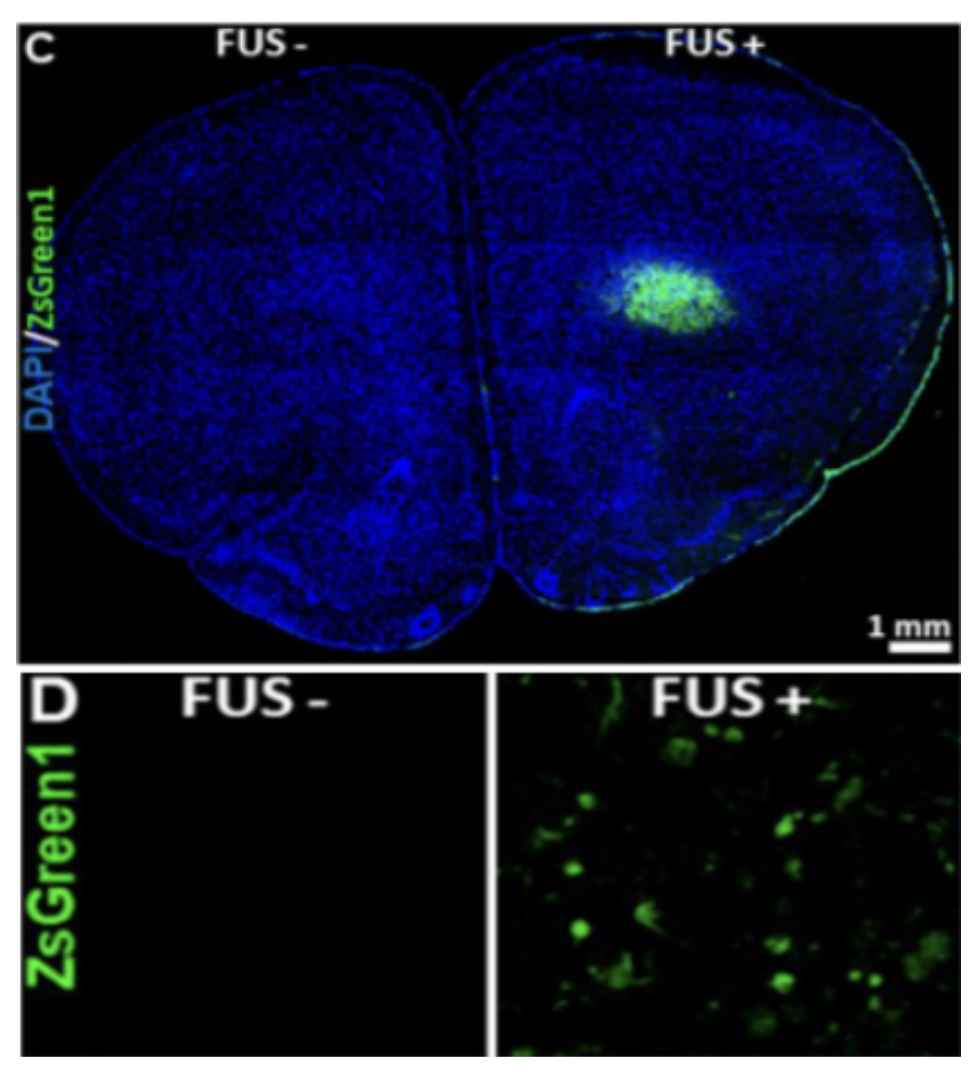
Representative confocal micrograph of brain harvested at 48 h post-administration of NPs from animals intravenously treated with PEG–PBAE NPs carrying ZsGreen1-expressing pDNA and subsequently received a FUS treatment on right striata.
Blue: nucleus; green: ZsGreen1.
FUS treatment was administered using the RK-50.
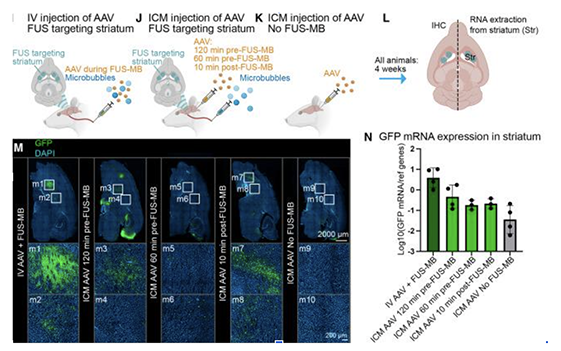
A 2026 study reported that focused ultrasound targeting following intra-CSF delivery of AAVs enhanced transduction in the striatum of rat brain. The group used an early prototype of the MRI-compatible RK-300 to extend gene delivery to deep brain structures with high precision. This demonstrates the successful use of FUS to access sub-cortical regions of the rodent brain, along with the scalability of this system to non-human primates.
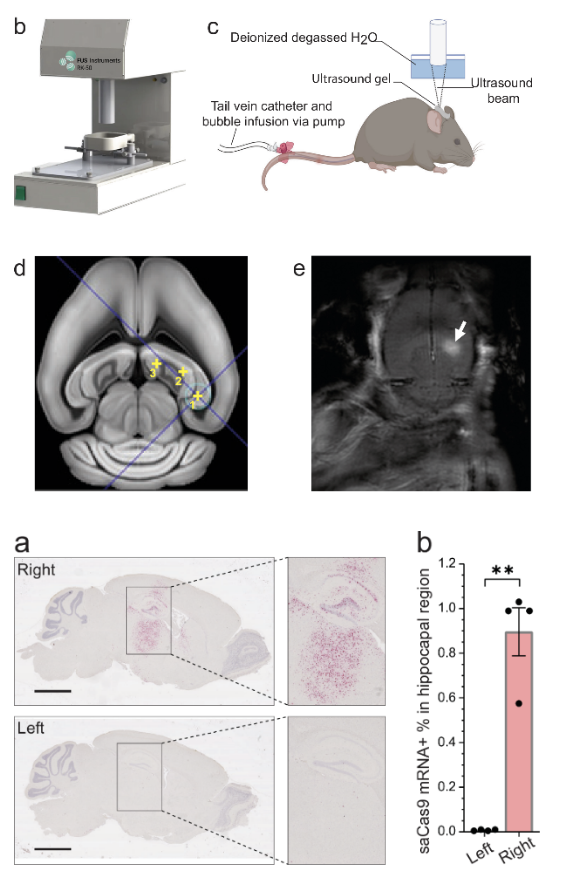
A UT Southwestern Medical Center study successfully used focused ultrasound (FUS) delivered with the RK-50 system to temporarily open the blood-brain barrier, allowing a 2,000-fold increased delivery of a CRISPR/Cas9 gene-editing tool to the hippocampus of mice with Lafora disease. This innovative delivery approach dramatically reduced toxic glycogen accumulations and neuroinflammation, demonstrating immense potential for treating pediatric neurological disorders.
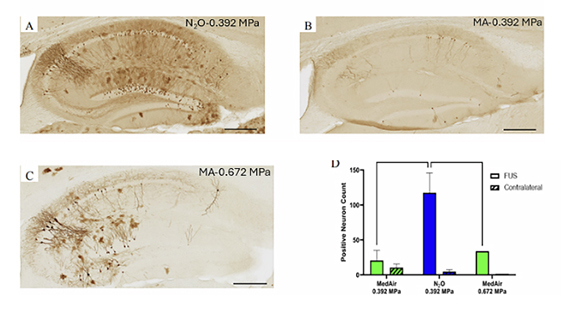
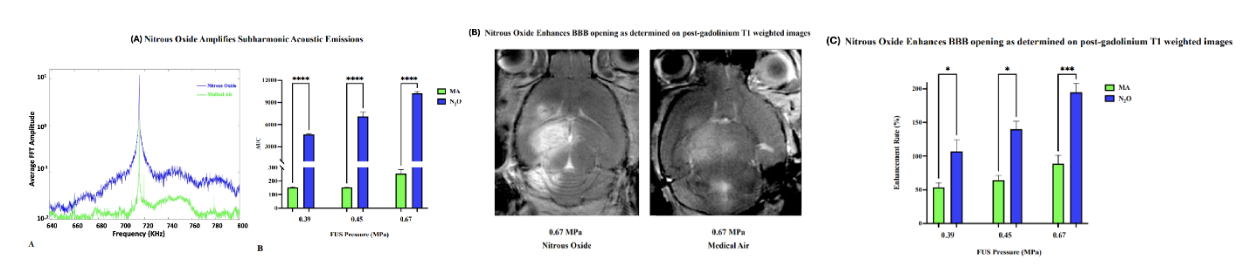
The use of FUS and microbubbles to open the blood brain barrier has been optimized for increased efficiency. The co-administration of nitrous oxide (N₂O) during transcranial magnetic resonance-guided focused ultrasound significantly potentiates the acoustic cavitation of intravenously delivered microbubbles, enhancing targeted blood-brain barrier (BBB) permeability. This N₂O-mediated amplification facilitates efficient, transient BBB disruption for viral vector transfection while mitigating acute cellular injury by reducing the requisite acoustic pressures to as low as 0.28 MPa and microbubble doses to 0.02 μl/kg. FUS Instruments RK-50 was used in this study.
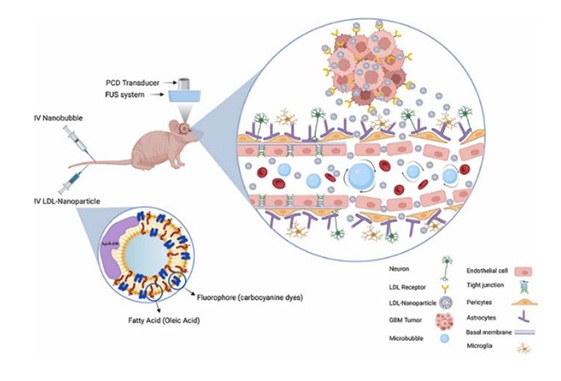
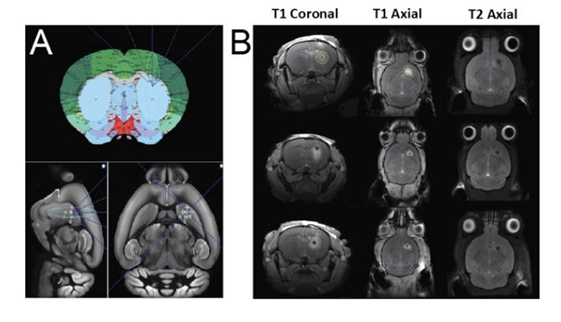
Researchers developed low-density lipoprotein (LDL) nanoparticles designed to target the LDL receptor (LDLR), which is significantly overexpressed in both mouse and human glioma cells. By utilizing focused ultrasound (with the RK-50) in combination with microbubbles, the scientists were able to transiently open the BBB, allowing the nanoparticles to penetrate deep into the tumor and surrounding tissue. A seven-fold increase in nanoparticle accumulation was observed within the tumor center when FUS was applied compared to standard intravenous injection. The findings establish a foundational framework for using biocompatible, receptor-targeted carriers to reach infiltrative cancer cells that are normally protected by the brain’s natural defenses.